京都の粘土団子
Kyoto Seed Balls — Garden Center Edition
A practical guide to making seed balls using plants you can find at a Kyoto garden center
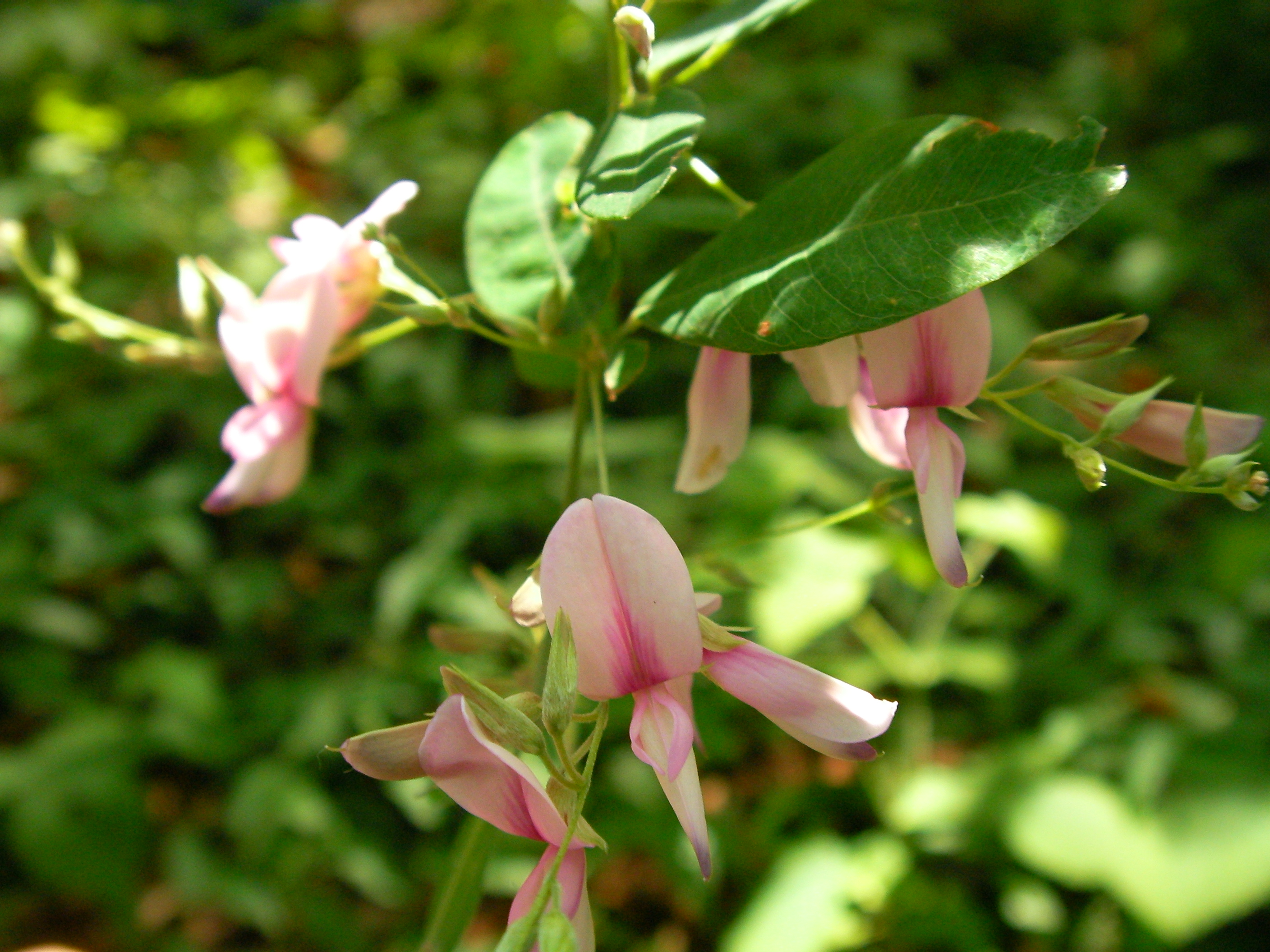
| Latin | Lespedeza spp. |
|---|
| Find it as | Seed packet or potted plant — very common at garden centers |
|---|
| Why it's great | Nitrogen-fixing pioneer. Enriches poor soil. Grows on bare ground. Deer food. The single best species for seed balls — tough, fast, forgiving. Most referenced plant in the Man'yōshū. |
|---|
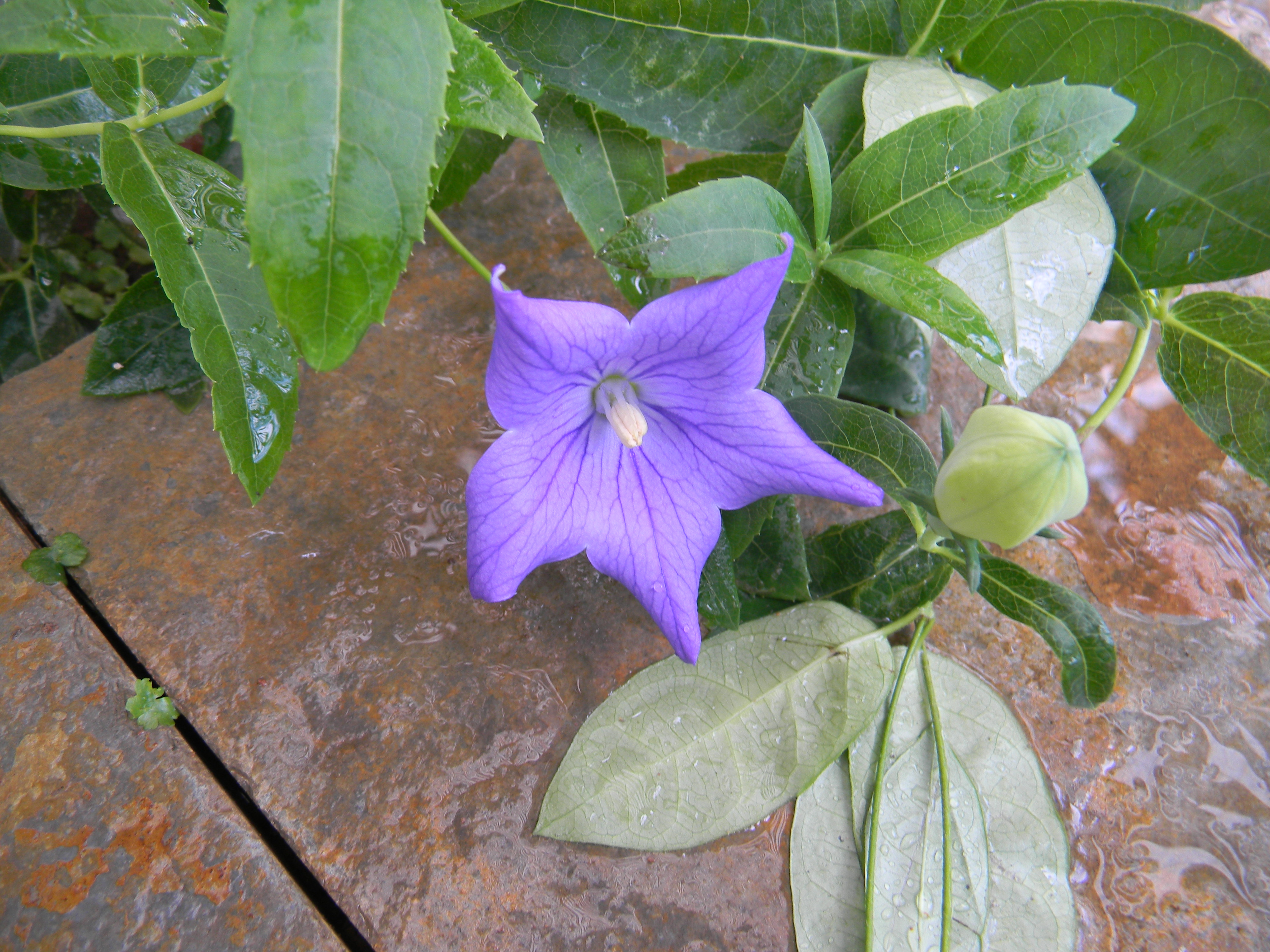
| Latin | Platycodon grandiflorus |
|---|
| Find it as | Seed packet — widely available. Also sold as potted plants. |
|---|
| Why it's great | Endangered in the wild (絶滅危惧II類). Every seed ball with Kikyou is a small act of conservation. Blue-purple star flowers. One of Kyoto City's four Citizens' Garden conservation species. Appears in the Tale of Genji. |
|---|
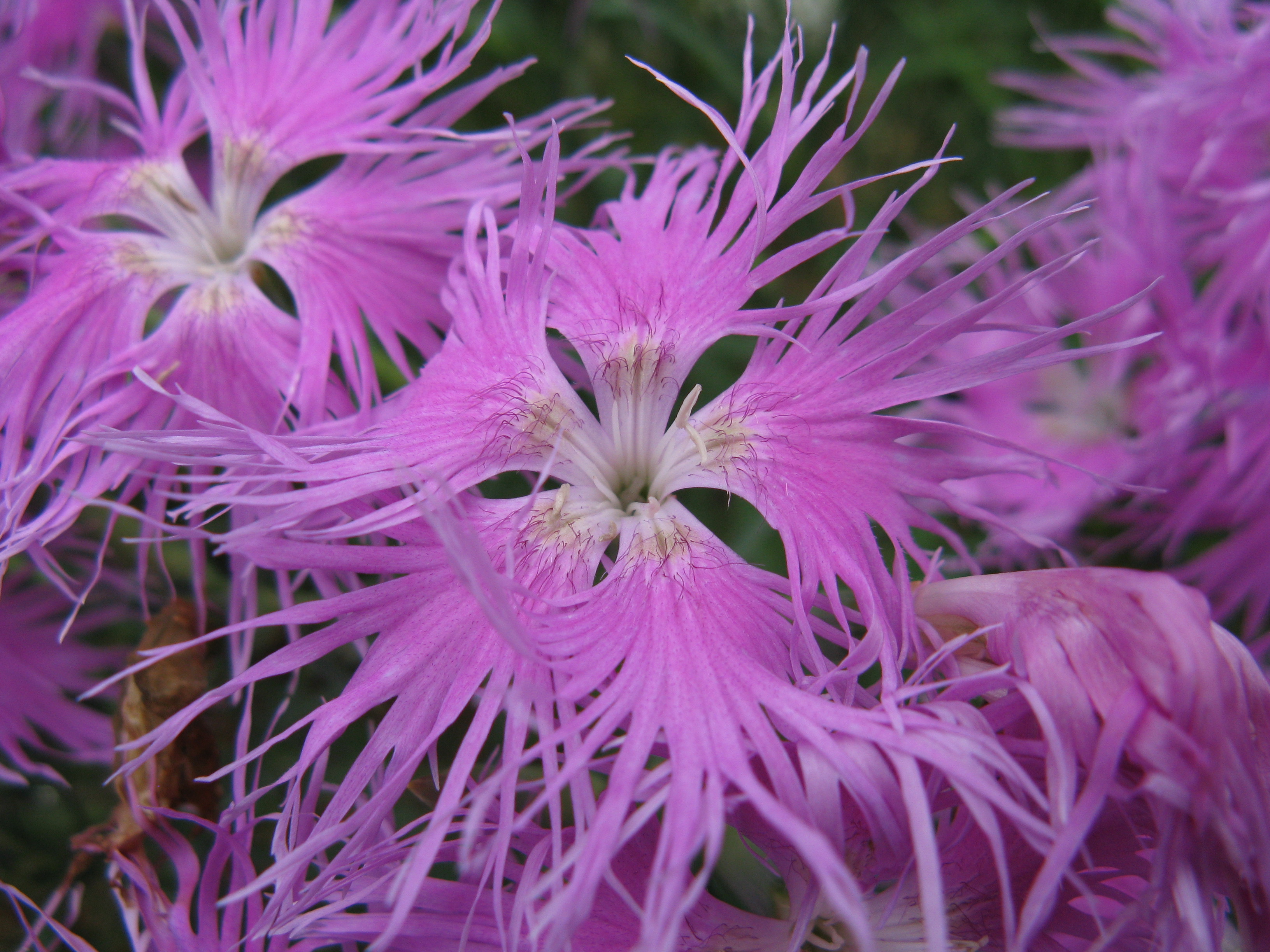
| Latin | Dianthus superbus var. longicalycinus |
|---|
| Find it as | Seed packet — commonly sold as ナデシコ. Also potted. |
|---|
| Why it's great | Pink feathery flowers all summer and autumn. Tough. Beautiful. Yamato Nadeshiko — the flower, not the metaphor. |
|---|
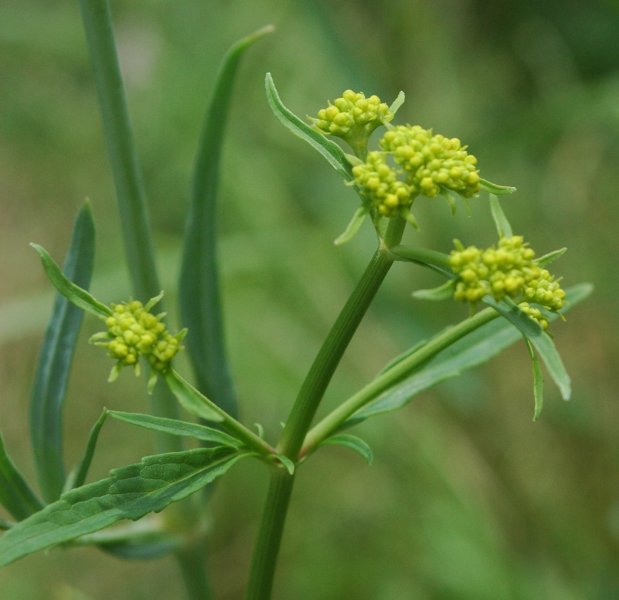
| Latin | Patrinia scabiosifolia |
|---|
| Find it as | Seed packet or potted plant — available at larger garden centers, especially in autumn |
|---|
| Why it's great | Clouds of tiny yellow flowers August–October. Declining in the wild. Aki no Nanakusa. |
|---|
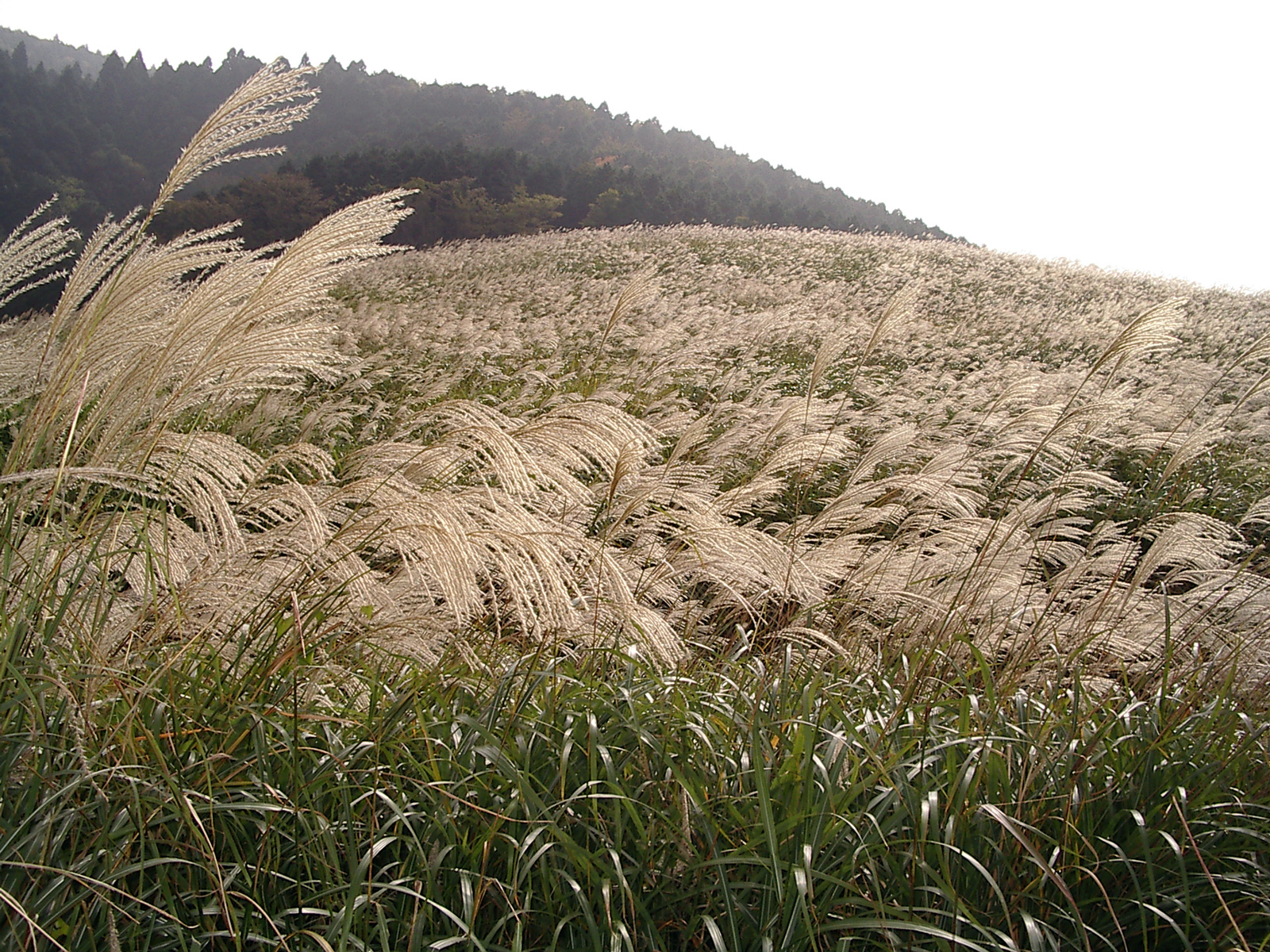
| Latin | Miscanthus sinensis |
|---|
| Find it as | Seed packet or potted plant — very common. Ornamental varieties everywhere, but look for the straight species (原種 / genshu), not cultivars. |
|---|
| Why it's great | Erosion control. Habitat structure for insects and small animals. The autumn moon-viewing grass. |
|---|
Make sure you get the native species, not a fancy cultivar. Ask for 原種 (genshu / original species) or 野生種 (yasei-shu / wild type).
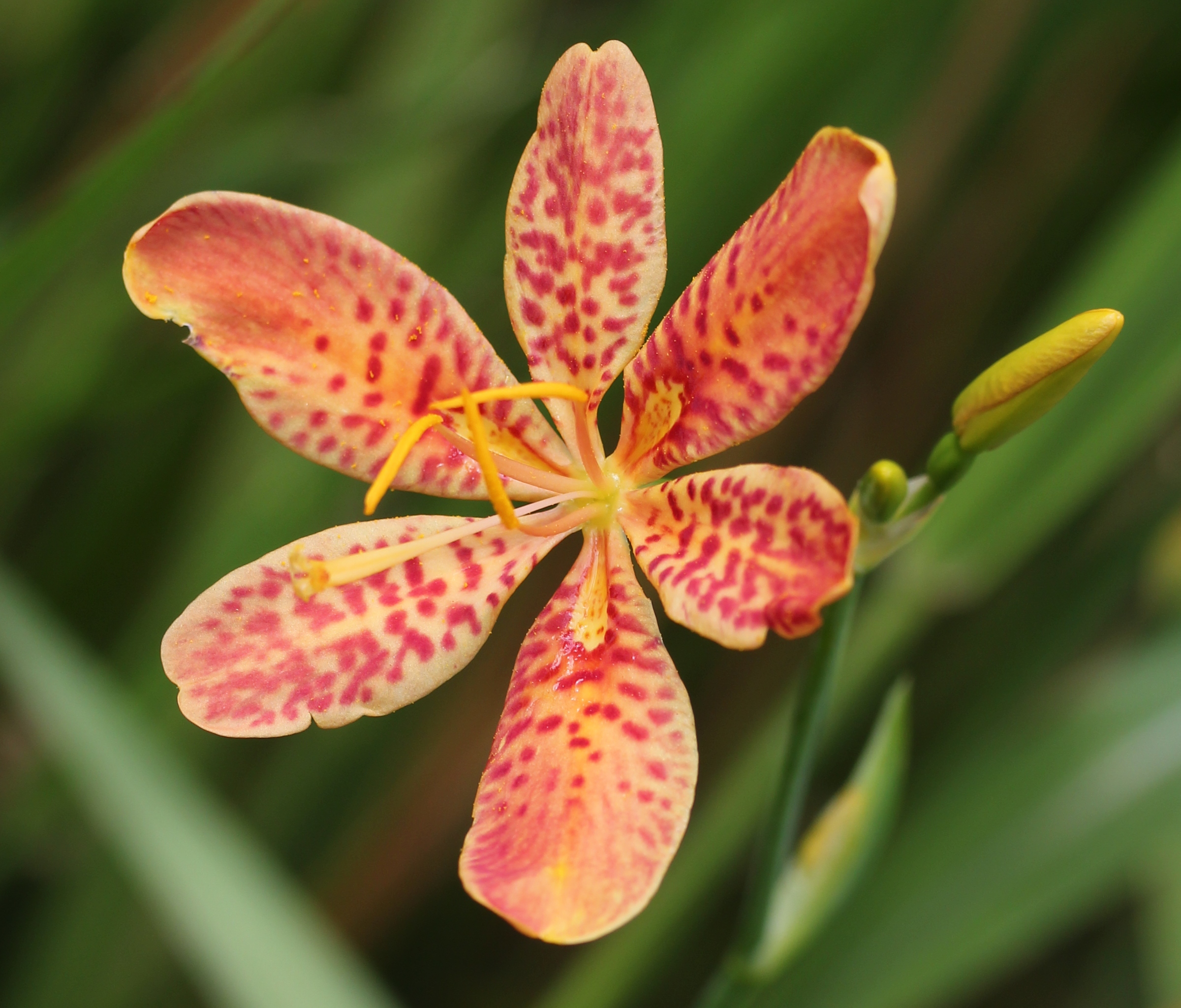
| Latin | Iris domestica |
|---|
| Find it as | Potted plant or seed — available in Kyoto especially around Gion Matsuri season (July). The shiny black seeds are easy to collect from dried pods. |
|---|
| Why it's great | THE Gion Matsuri flower. Orange spotted blooms in high summer. Kyoto City's Citizens' Garden species. Seeds are perfect size for seed balls. |
|---|
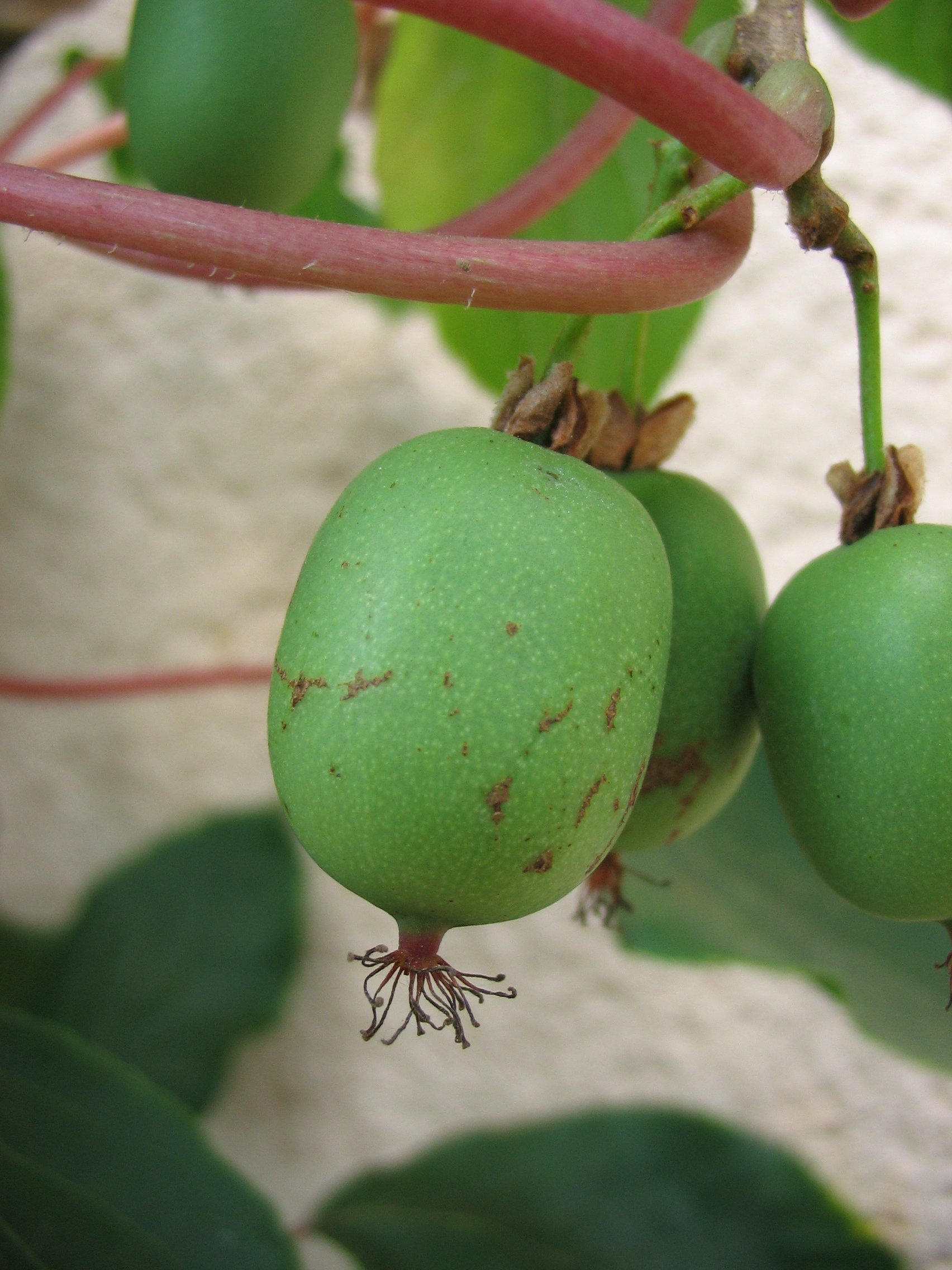
| Latin | Actinidia arguta |
|---|
| Find it as | Potted vine at nurseries — sometimes sold as hardy kiwi or bower vine. Seeds harder to find, but can be extracted from fruit. |
|---|
| Why it's great | Bear food, monkey food, bird food. The name means "monkey pear" because monkeys love it. Bears eat them heavily in summer and autumn. Tiny seeds inside each fruit — excellent for seed balls. The animals that eat the fruit disperse the seeds, so you're restoring a mutual relationship. |
|---|
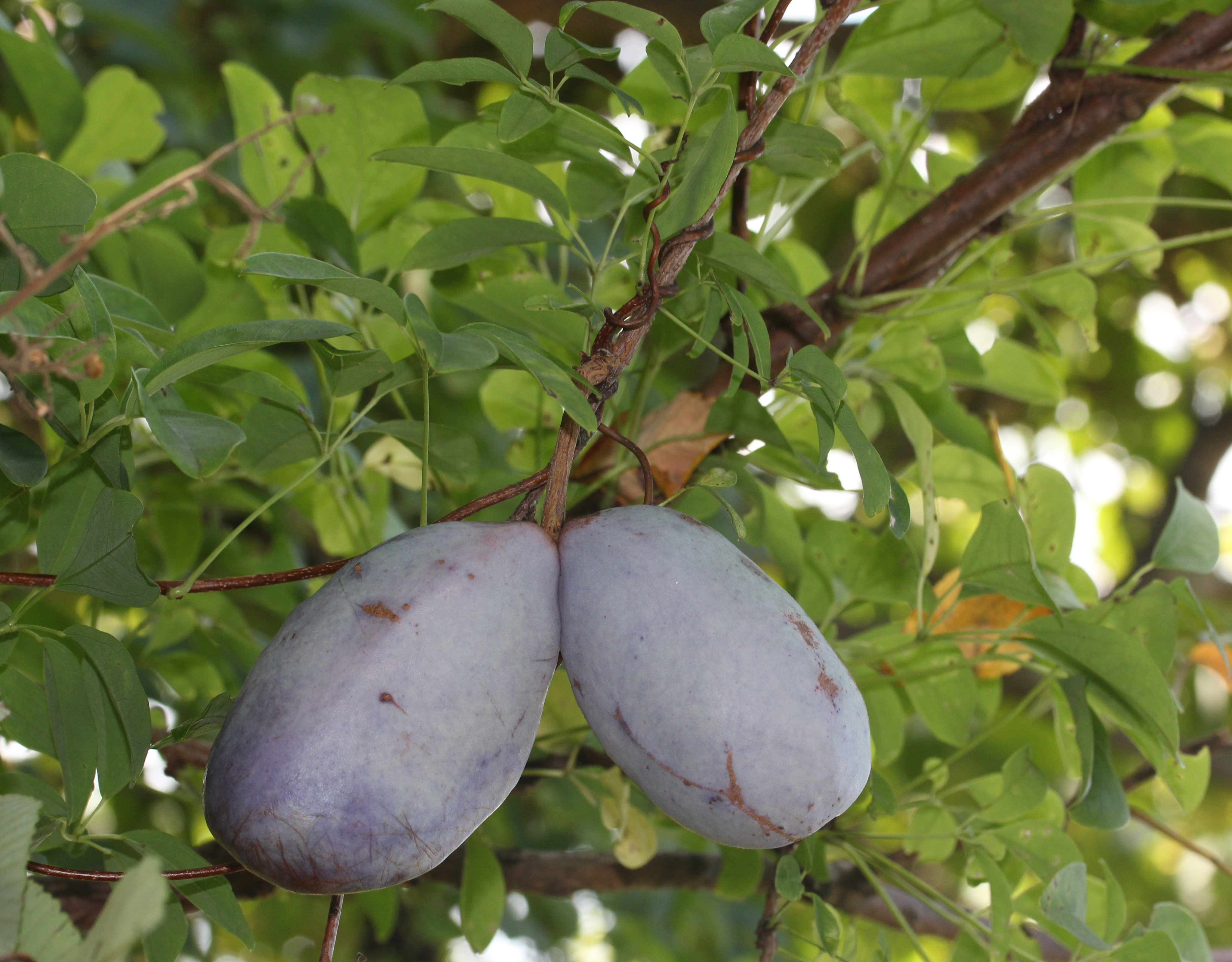
| Latin | Akebia quinata |
|---|
| Find it as | Potted vine at nurseries — sold as ornamental climber. Seeds are the small black ones inside the split fruit. Also available at autumn farmers' markets as an edible. |
|---|
| Why it's great | Bears eat the ripe fruit in autumn. The fruit splits open to reveal sweet white flesh — traditionally a children's snack in rural Japan. Young shoots are edible as ohitashi. Dried stem used in kampo medicine as 木通 (mokutsu). Small, hard-coated black seeds work well in seed balls. |
|---|
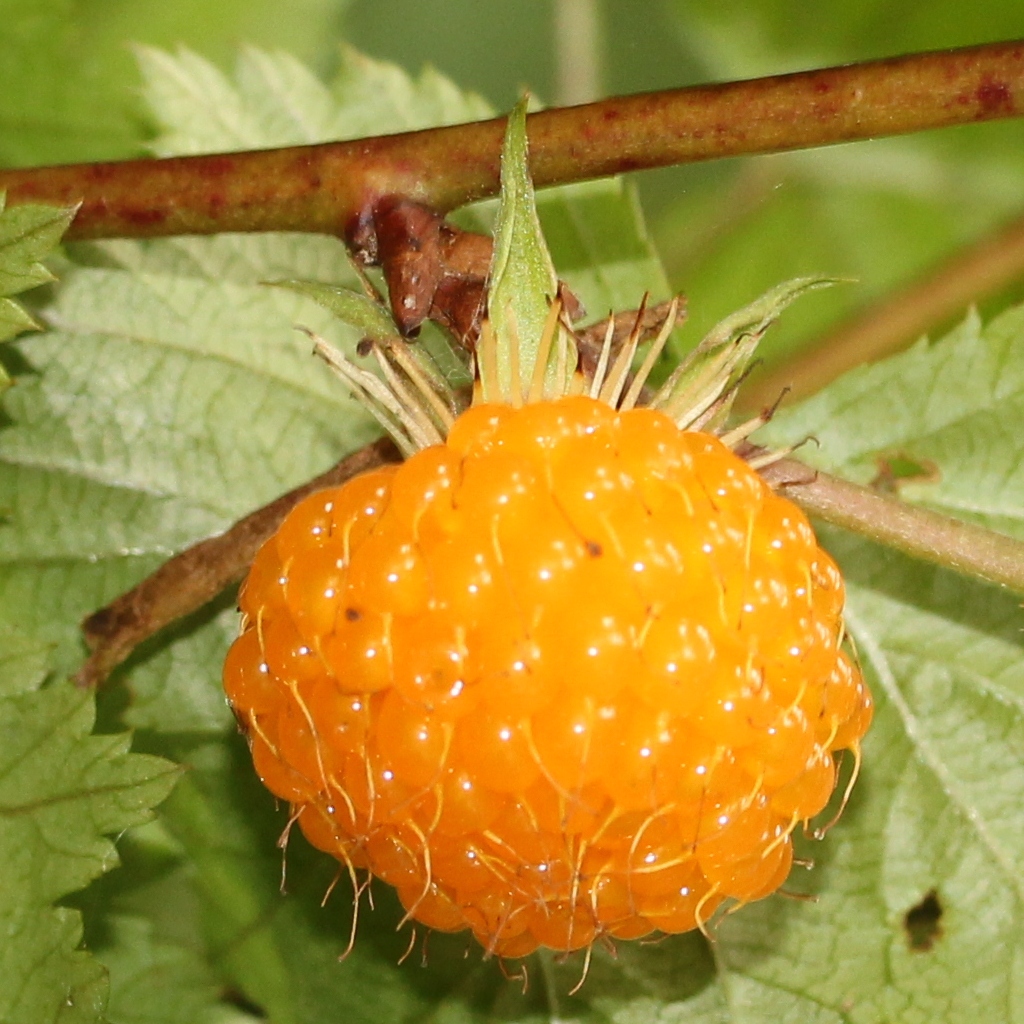
| Latin | Rubus spp. |
|---|
| Find it as | Potted plants — sometimes sold at nurseries as ground cover or fruit plants. You can also collect seeds from wild berries if you find them in the mountains. |
|---|
| Why it's great | Bear food, bird food, human food. Tiny indestructible seeds. Fruits in summer when bears need it. |
|---|
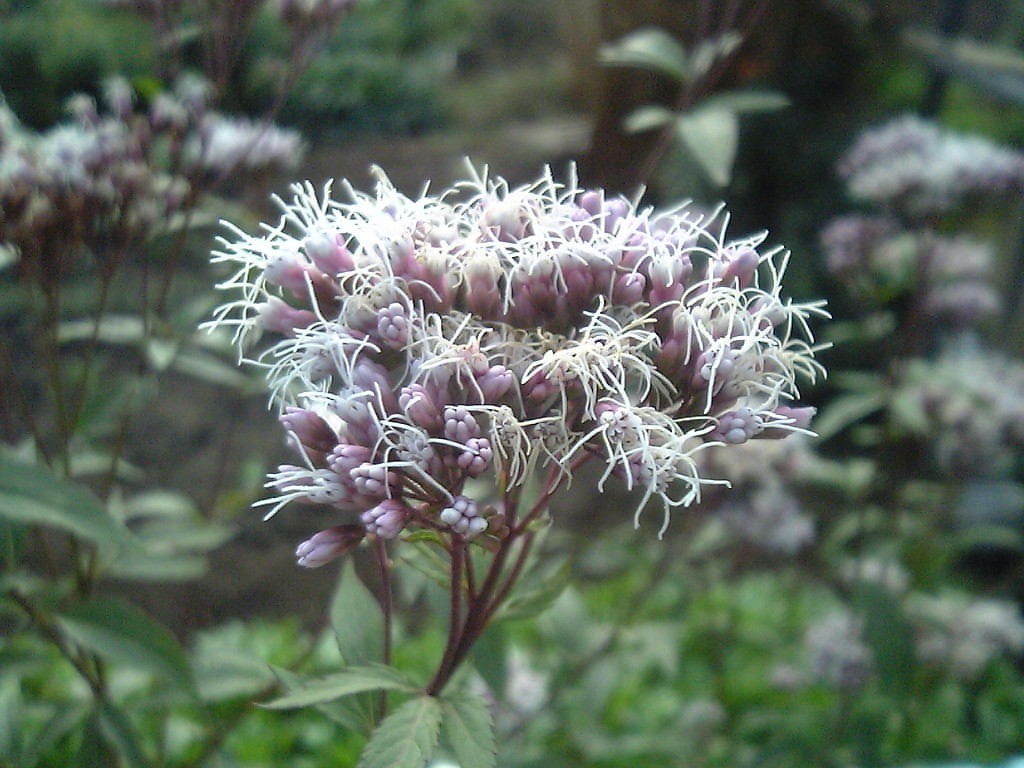
| Latin | Eupatorium japonicum |
|---|
| Find it as | Potted plant — increasingly available due to Kyoto conservation efforts. Check the 藤袴と和の花展 at Umekoji Park in autumn. Seeds are harder to find commercially. |
|---|
| Why it's great | Near-threatened. Smells like sakuramochi when dried. Heian women wore its scent. Active Kyoto conservation movement (源氏藤袴会). Butterfly magnet. |
|---|
The Genji Fujibakama Society (源氏藤袴会) sometimes distributes plants.
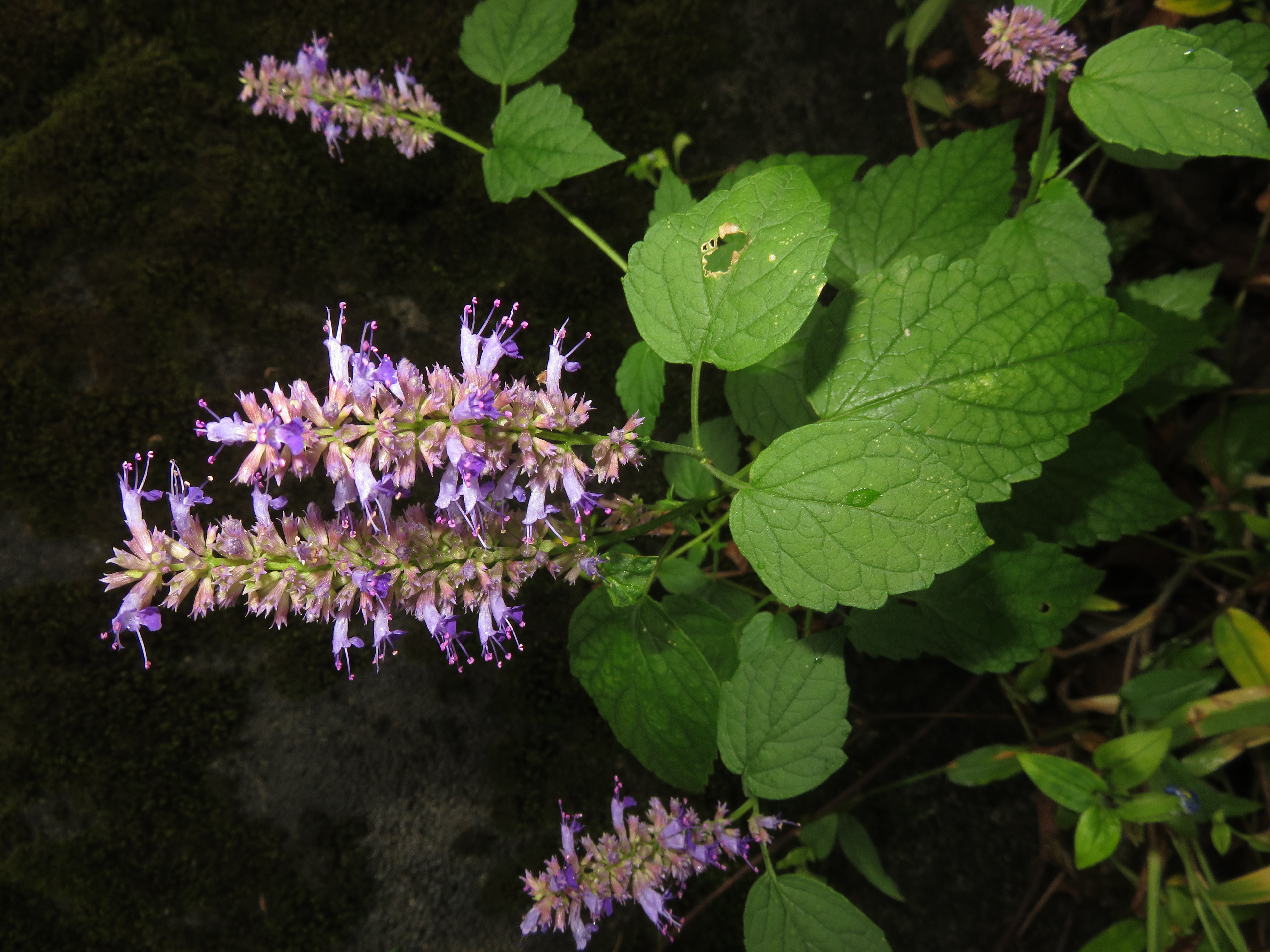
| Latin | Agastache rugosa |
|---|
| Find it as | Seed packet or herb nursery plant — sometimes sold in herb sections as an aromatic/medicinal plant |
|---|
| Why it's great | Strong scent repels birds and insects — exactly the protective herb Fukuoka recommended mixing into seed balls. Also a pollinator magnet and kampo medicine ingredient. One of Kyoto City's four Citizens' Garden species. |
|---|
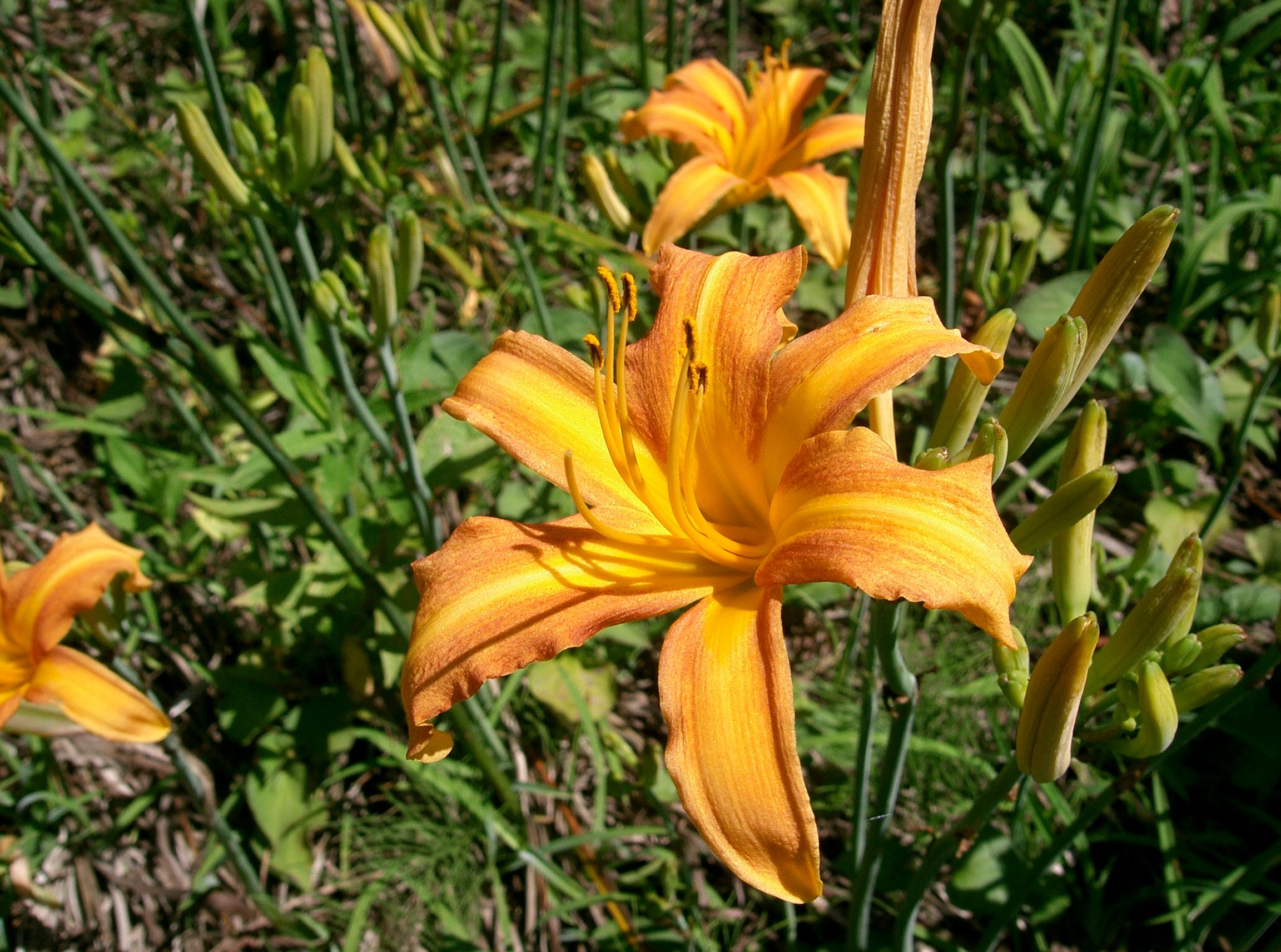
| Latin | Hemerocallis fulva var. disticha |
|---|
| Find it as | Potted plant — daylilies are common at garden centers. Make sure you get the native species, not a hybrid. Root divisions are the most reliable method. |
|---|
| Why it's great | Edible buds (mountain vegetable). Orange trumpet flowers. One of Kyoto City's four Citizens' Garden species. Also called ワスレグサ (Wasuregusa / "forgetting grass"). |
|---|
How to Make Them
There are two parallel traditions for making seed balls. Fukuoka Masanobu (福岡正信, 1913–2008) developed his method as part of natural farming (自然農法) — pure clay, no nutrients, as many species as possible. You don't choose what grows. You offer seeds, and nature selects. Western methods use fewer species, add compost for a nutrient boost, sometimes cayenne or cinnamon. More gardening technique, less philosophy.
For Kyoto native restoration: use Fukuoka's clay-heavy approach as the foundation, but borrow the Western addition of a small amount of compost. The best of both.
Clay / 粘土
The most important ingredient. This is the armor that protects seeds from birds, insects, sun, and drying.
木節粘土
Kibushi nendo | Potter's clay. Very fine, sticky, strong. Fukuoka's specific recommendation. Find at ceramic supply shops (陶芸材料店) — Kyoto has a strong pottery tradition. |
|---|
赤土
Akatsuchi | Red earth. Natural subsoil clay, common in Kyoto's hills. Sold in bags at garden centers. Also diggable from hillsides if you find exposed subsoil. |
|---|
赤玉土
Akadama-tsuchi | The bonsai substrate. Less sticky than real clay — must be crushed to powder before use. Very common at garden centers. |
|---|
Ratio
5 clay : 2 compost : 1 seeds
by volume — use any consistent scoop
Pure Fukuoka: 6–7 clay : 1 seeds, no compost
Steps
- Prepare seeds. Mix all species together in a bowl. If using deterrents (唐辛子 / tougarashi, シナモン / cinnamon), add them now.
- Prepare clay. Break up clumps, sift through mesh to remove stones and debris. If using akadama, crush to powder first. Mix compost into clay while everything is still dry — get a uniform color, no streaks.
- Add water slowly. A few drops at a time. Knead like bread dough. Target: holds together when squeezed, does not crack when pressed, does not stick to your hands, does not drip water.
- Work in seeds. Press, fold, knead. Seeds must not show on the surface — any seed visible on the outside will be eaten by birds. The clay is armor. Aim for 2–3 seeds per finished ball.
- Form balls. Pinch off a piece, roll between your palms. 2–4 cm across. Spheres are ideal but irregular shapes are natural and fine.
- Polish. After a few hours of drying, when half-dry (半乾き), pick the balls up and roll them once more in your palms to smooth the surface. A smooth surface (つるつる) sheds rain better, resists crumbling, and protects seeds longer. Fukuoka's nendo dango were known for being notably hard and smooth — more like pottery than mud balls. This step is absent from most Western guides.
- Dry completely. Lay in a single layer on newspaper or cardboard. Dry in shade — not direct sun, which causes cracking. Good ventilation helps. 2–4 days depending on humidity. Done when they click, not thud, tapped together.
Fukuoka's tip: Mix in カワミドリ (Kawamidori) seeds — the strong mint scent deters birds and insects from pecking at the balls. He recommended mixing in seeds of plants that repel birds and insects (鳥や虫が嫌う薬草).
Troubleshooting
| Balls crack | Mix too dry, dried too fast (move to shade), or clay not kneaded enough — work out air bubbles. |
|---|
| Mold grows | Too wet when formed, or poor ventilation. Add cinnamon (シナモン) to the mix as antifungal. |
|---|
| Seeds sprout inside | Way too wet. Dry the mix more before forming. Store in a cool, dry, ventilated place. |
|---|
| Balls crumble | Not enough clay, or too much compost. If using akadama, switch to kibushi or akatsuchi. |
|---|
| Nothing sprouts | Not enough rain — scatter before 梅雨 (tsuyu / June rainy season). Wrong season. Or be patient (辛抱) — seeds may sprout in weeks, months, or the following year. |
|---|
Why it works
A ball sitting on the ground touches it at a single point. During the day, the ball absorbs heat. At night, it cools. The temperature difference causes condensation — dew — to form at the contact point, exactly where the seeds need moisture to germinate. The shape itself is a watering mechanism.
The clay shell blocks birds from seeing the seeds, blocks insects from accessing them, blocks sun from drying them out, blocks wind from blowing them away. When rain comes, water penetrates slowly. The seeds inside sense moisture, temperature, and light through the thinning shell. They wake up on their own schedule.
自然に共鳴する
Shizen ni kyoumei suru
"Resonating with nature" — you offer seeds, and the land answers
Suggested mix
If you're buying one batch of seeds at a garden center, here's the priority order:
- ハギ — the backbone. Fixes soil. Grows anywhere.
- キキョウ — conservation. Endangered. Easy seeds.
- ナデシコ — beauty. Tough. Long bloom.
- ススキ — structure. Erosion control.
- カワミドリ — protective scent. Pollinators.
- ヒオウギ — Kyoto's own. Good seed size.
- オミナエシ — yellow flowers. Autumn meadow.
- ノカンゾウ — if you can get seed (or scatter root divisions separately)
- サルナシ — bear and monkey food. Buy as vine, extract seeds from fruit.
- アケビ — bear food. Buy vine or find fruit at autumn markets.
- フジバカマ — if you can find it. Check conservation groups first.
- キイチゴ — if you find wild berries, save the seeds
Quick reference
KYOTO SEED BALL RECIPE / 京都の粘土団子レシピ

RATIO:  5 clay : 2 compost : 1 seeds
        (or 6-7 clay : 1 seeds, Fukuoka pure)

CLAY:   木節粘土 (kibushi) or 赤土 (akatsuchi)
WATER:  A little. Then less than you think.

MIX     → dry ingredients first
KNEAD   → bread dough consistency
SEEDS   → hide them. No seeds on surface.
ROLL    → 2-4 cm balls
POLISH  → re-roll when half-dry
DRY     → shade, 2-4 days, good airflow
STORE   → paper bag, cool and dry
SCATTER → before rain. 梅雨 (June) is ideal.

DONE.